Key Takeaways
- Concentrating production in one region exposes your brand to tariff shifts, port bottlenecks, and policy changes that no single factory can absorb.
- Multiregional manufacturing means producing in two or more countries through a coordinated network of suppliers, so a disruption in one region doesn’t stop your whole line.
- Genimex is an end-to-end contract manufacturer operating across China, Southeast Asia, and South Asia, and manages transitions between regions, including moving brands like Citibin from China-only production into Vietnam.
For decades, consumer brands have concentrated their manufacturing efforts in a single region. Mature supply chains and reduced complexity, enabled by strong supplier ecosystems, created operations that ran at scale and on time.
Today’s escalating geopolitical tensions and tariff volatility are prompting brands to rethink this strategy.
From China to Vietnam to India, multi-country manufacturing requires a flexible network of suppliers and partners with experience negotiating across borders. The benefits, however, could seriously outweigh the challenges.
What is Multiregional Manufacturing and Why Does it Matter in Today’s Global Market?
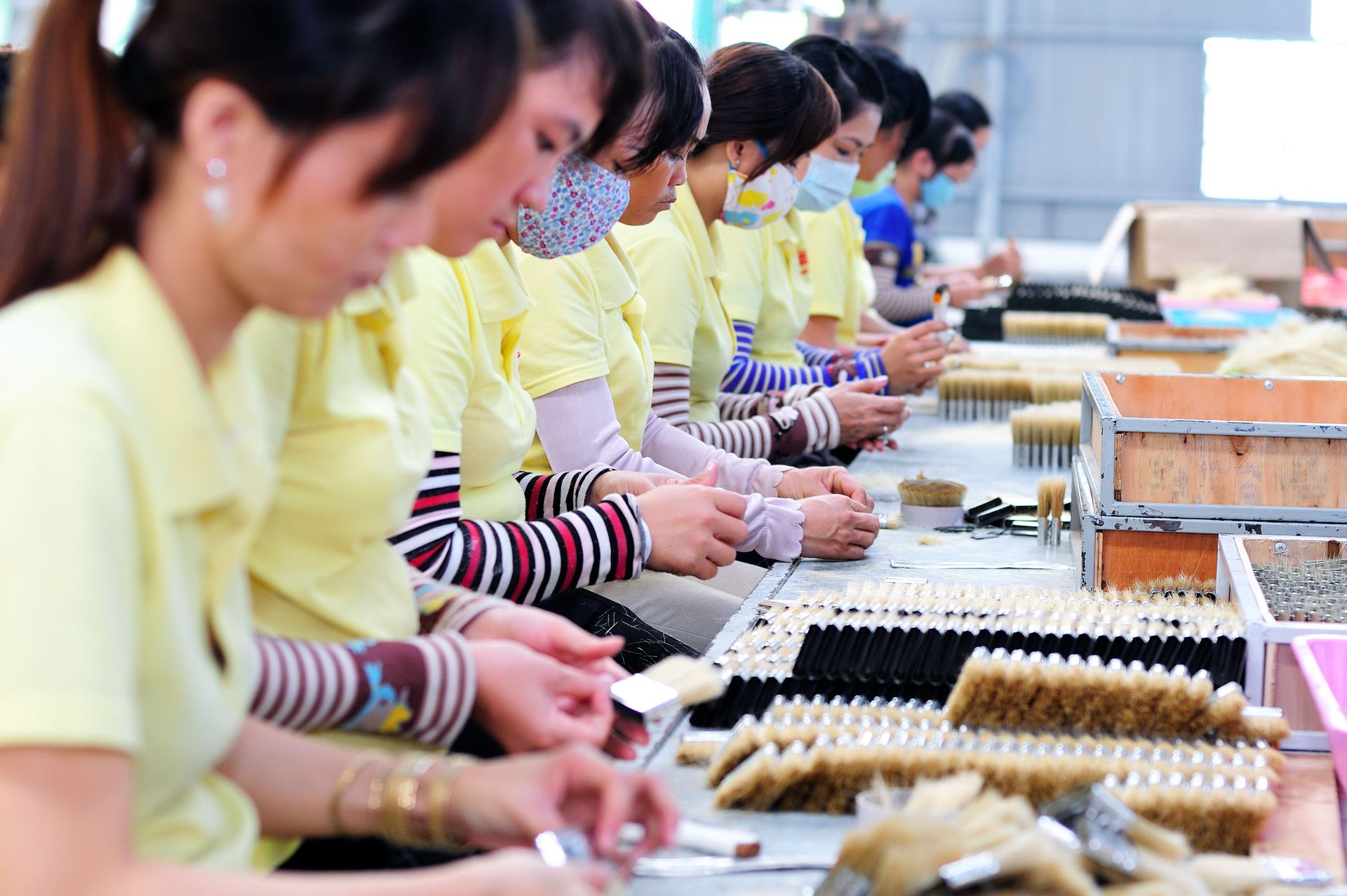
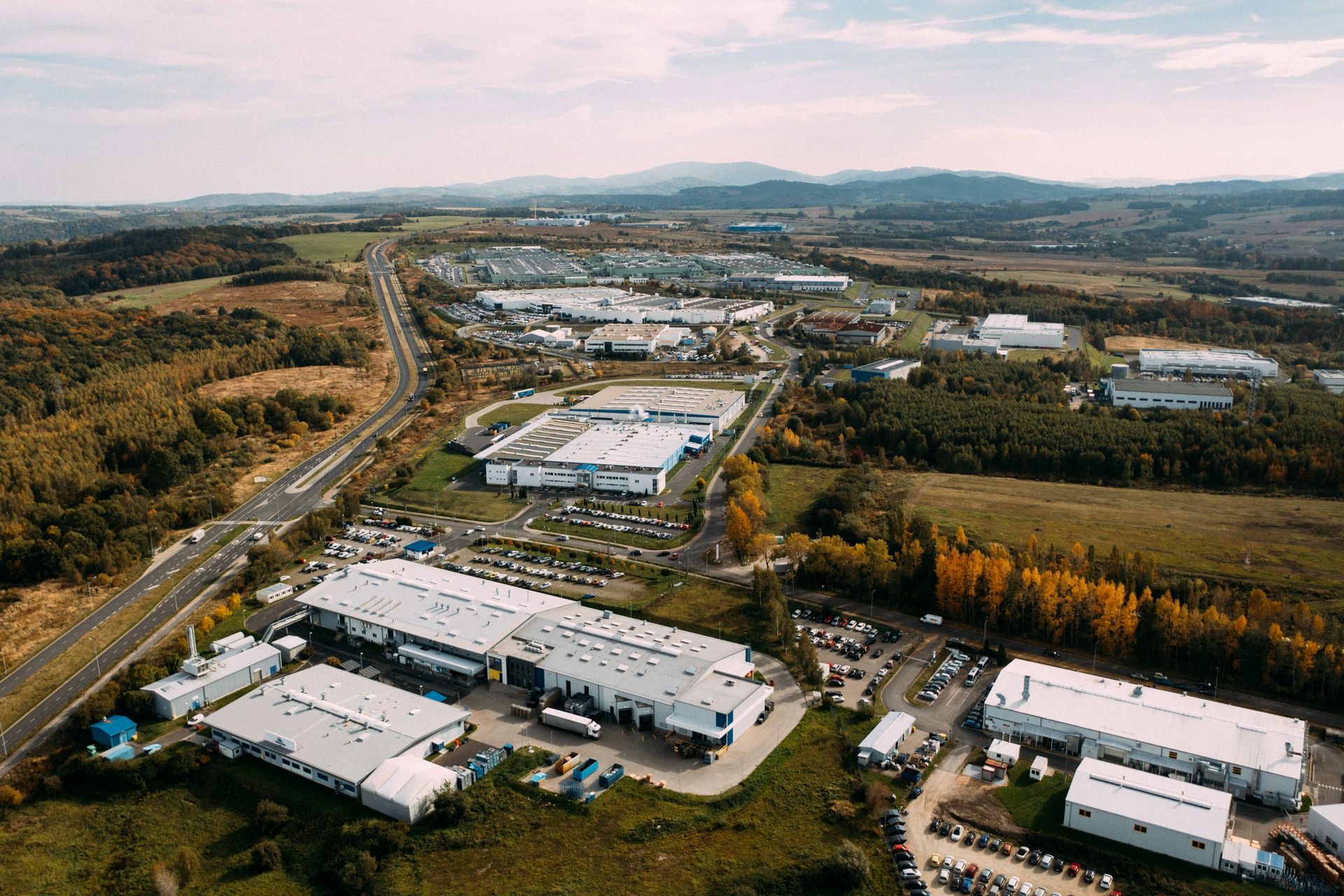
Multiregional manufacturing means having your goods produced in multiple countries. Strategic multiregional manufacturing involves building or leveraging effective networks of suppliers, transport routes, and factories across regions to ensure products hit shelves (or online inventories) when expected.
Why brands are shifting to multiregional manufacturing:
· When tariff volatility impacts one region, others may remain unaffected
· Disparate manufacturing regions can help you target multiple markets simultaneously
· Production becomes highly scalable, meeting fluctuating consumer demands
· Newer manufacturing regions can be cost-competitive on overheads and labor.
Labor costs in Vietnam and India generally run below China’s, though India’s logistics costs can offset part of the gap. A manufacturing partner experienced across all these countries can help you weigh the potential costs and savings of shifting production to new manufacturing regions.
The Vulnerability of Single-Region Manufacturing Dependency
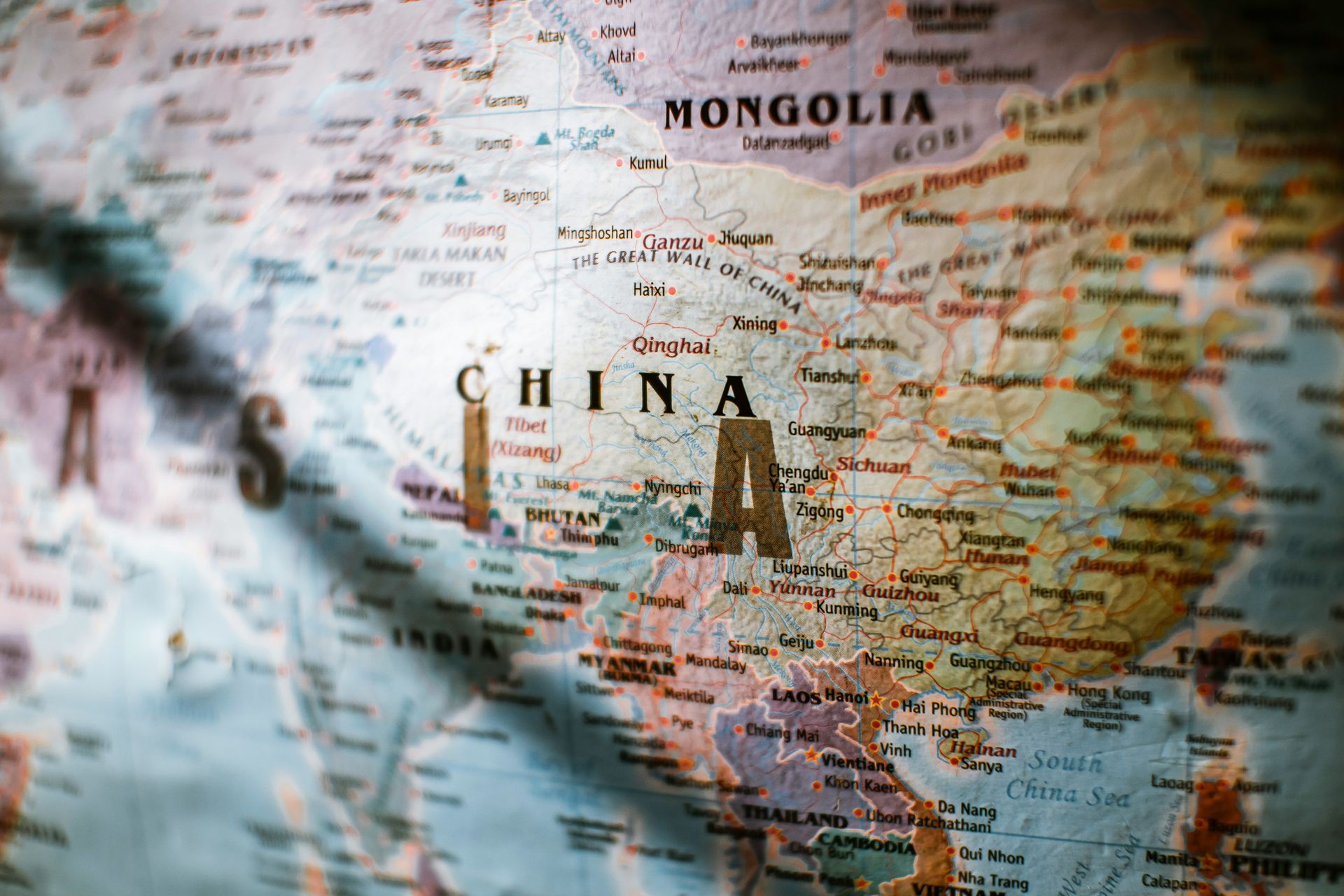
The main reason successful brands are shifting to a China+1 multi-country manufacturing strategy is to avoid single-region disruptions.
Port bottlenecks, sudden strikes, power cuts, or policy changes can ripple through your supply chain. Manufacturing in China, for example, is impacted by tariff volatility. Manufacturing in India, for example, can be affected by seasonal power shortages, although these are becoming rarer as infrastructure improves.
Transitioning to multi-country manufacturing is the key to supply chain resilience. When your goods come from more than one location, you protect:
- Production capacity
- Brand reputation
- Retail partnerships
- Market position
Of course, multi-regional manufacturing comes with challenges. One of the most prominent is choosing which regions to explore for manufacturing opportunities. The Association of Southeast Asian Nations (ASEAN) economic bloc has emerged as an attractive prospect for many brands. Manufacturing in Southeast Asia could help brands shift some production out of China without compromising quality.
Proven Success with Multiregional Manufacturing
Citibin is a successful brand of outdoor trash receptacle enclosures and package lockers. Recently, the brand shifted production from China alone to a multi-country strategy. Considerations and potential challenges included enclosure quality, including style, durability, form, and function.
Genimex leveraged its experience across multiple Asian regions to help Citibin shift some production to Vietnam, reducing exposure to rising tariffs and other supply chain constraints. Citibin has continued to meet production timelines, and all products remain in compliance with the brand’s stringent quality standards. Genimex is Citibin's on-the-ground end-to-end manufacturing partner, ensuring a seamless transition and continuous, scalable production.
If you’re currently manufacturing solely in China or considering manufacturing opportunities in Asia for your brand, Genimex can guide you through the complexities of establishing multiregional manufacturing and help provide the roadmap to success.
FAQs: Beyond Single-Region Manufacturing
Many brands are pursuing a China+1 strategy for exactly this reason. Shifting production into a second region can be daunting, but with the right manufacturing partner, the transition is simpler than you might think. Multiregional manufacturing offers many benefits, including cost-competitive production and reduced exposure to disruptions in a single region.
A pervasive myth is that manufacturing in the United States will automatically reduce time-to-market. However, that’s not always the case. Advanced facilities in China, South Asia, and Southeast Asia have decades of experience producing quality goods at scale and speed. Plus, manufacturing in Asia can be highly cost-competitive.
A primary concern in multiregional manufacturing is ensuring suppliers meet the quality standards set by your initial design. When you work with Genimex, we’ll source facilities with a proven track record of meeting the most exacting quality standards. We also integrate quality control and inspections throughout the production lifecycle. Contact us with any specific questions or concerns.