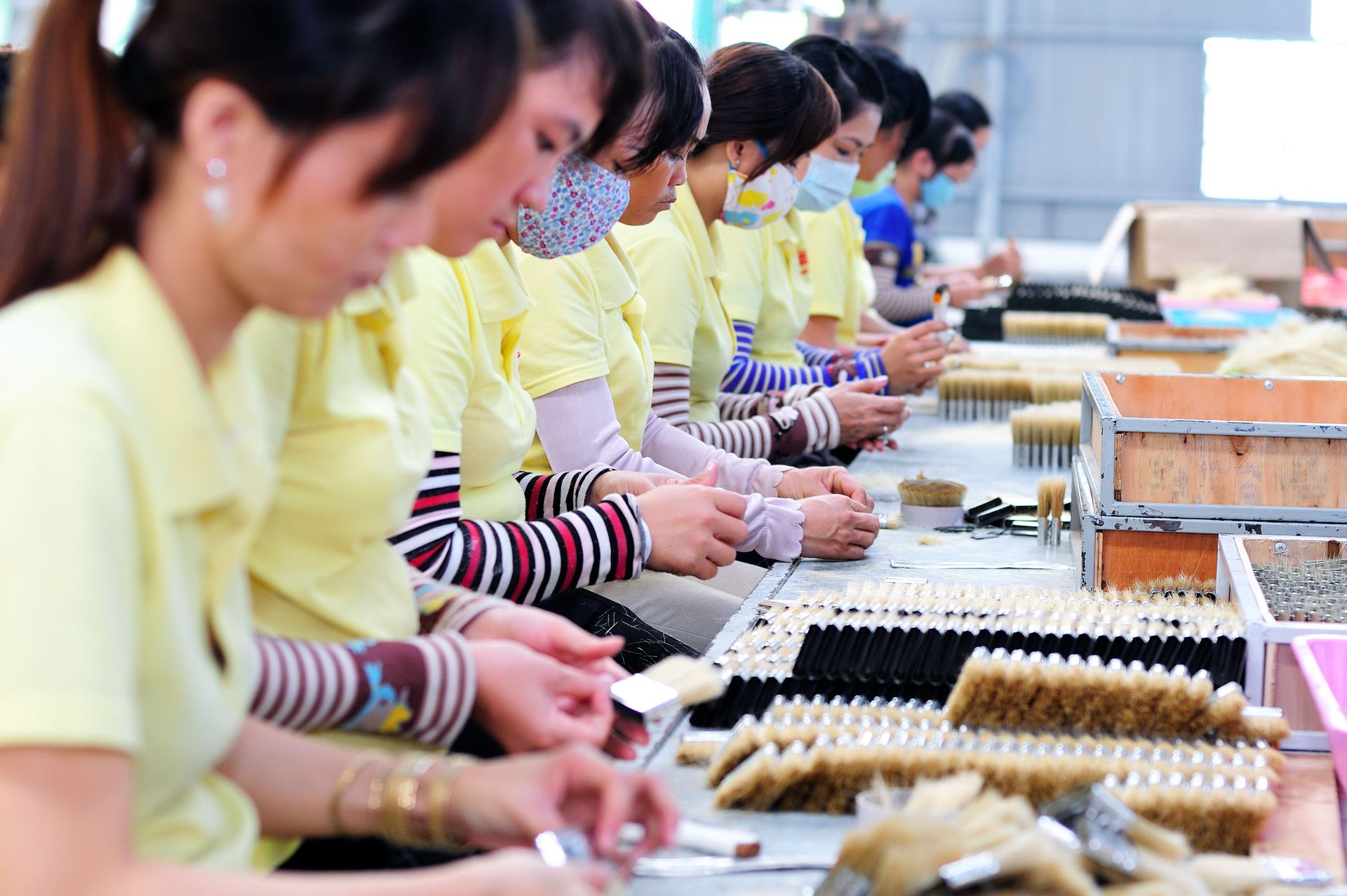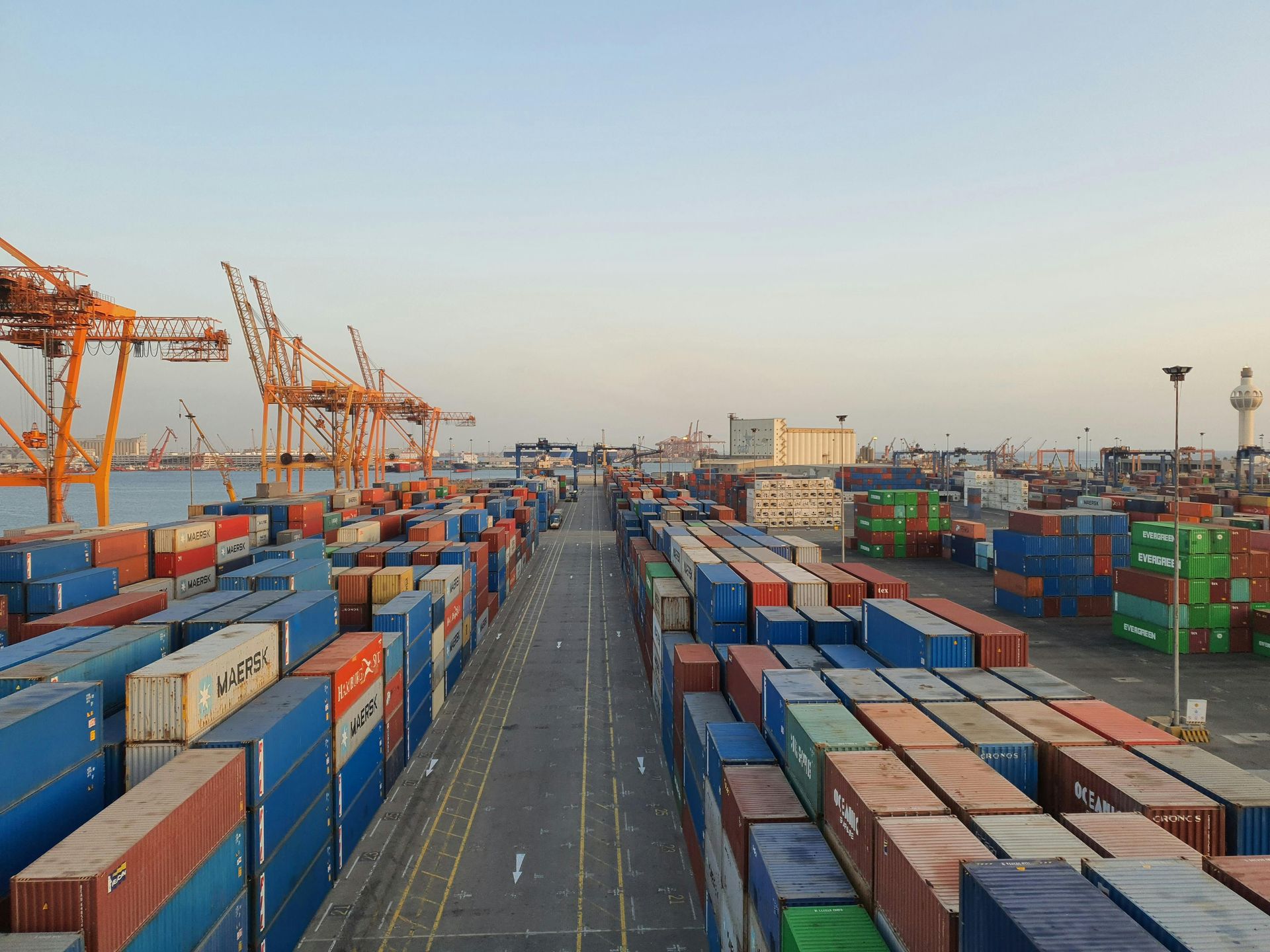
Manufacturing is changing across the world. While China remains a global manufacturing hub, there are now more options than ever for savvy brands seeking reliable, efficient, and cost-effective contract manufacturing solutions.
Diversifying beyond tried-and-tested manufacturers in China might seem daunting, but the benefits outweigh the risks. China+1 is a strategy many companies are adopting to make their supply chains more resilient, and some brands are taking diversification even further.
Understanding the "China+1" Strategy
The "China Plus One" strategy, usually simplified to “China+1,” is a relatively recent approach to manufacturing. It both respects China’s position as a global manufacturing hub and promotes supply chain resilience by investing in alternatives to China's manufacturing facilities.
The crux of the strategy is to expand into at least one new manufacturing region while maintaining some production presence in China.
This strategy helps protect against:
- Escalating tariff volatility
- Supply chain disruption
- Manufacturing disruptions caused by geopolitical tensions
Manufacturing goods in China still offers many advantages. In China, suppliers and manufacturers are often grouped in “parks” for logistical ease, for example. Raw materials are plentiful, and labor is relatively inexpensive. However, manufacturers in China are not the only option for brands seeking efficient, cost-effective production.
Matching Products to the Right Manufacturing Locations
The key to effective manufacturing diversification is matching product requirements with the strengths of new regions. A manufacturer in China may remain an excellent choice for robotics or consumer electronics. Other manufacturing hubs across Asia may be more cost-effective for cut-and-sew textiles, wooden products and furniture, and plastics.
Contract manufacturing specialists should have a practical framework for evaluating your product portfolio based on production complexity, material sourcing, and market proximity. Aligning these aspects with regional strengths helps identify manufacturing alternatives to China that will work for your brand.
China+1 Options in Southeast Asia
Southeast Asia is one of the fastest-growing regions offering alternatives to manufacturing in China. Rapidly expanding economies and improving infrastructure have led to many major brands considering multi-country manufacturing in countries such as:
- Vietnam
- Indonesia
- Malaysia
- Thailand
- Singapore
Vietnam, in particular, is enjoying major economic booms thanks to investments in manufacturing. Local media claims that manufacturing is the cornerstone of Vietnam’s growth, with driving factors including competitive labor costs, improving export infrastructure, and a strategic location within many supply chains.
Critical Considerations Before You Transition
Multi-country manufacturing isn’t risk-free, of course, but you can significantly de-risk the transition process by considering the following points. Working with a trusted contract manufacturing partner is also an essential part of achieving success beyond your manufacturers in China.
- Ensure facilities in +1 regions can meet quality and sustainability standards demanded by your brand and product designs.
- Consider the cost of importing raw materials and components, and the proximity of suppliers.
- Assess regulatory and compliance considerations.
- Make sure you know how your intellectual property will be protected. Knowing how to protect intellectual property in China doesn’t mean your brand will have the same protection in Vietnam or other +1 regions.
Understanding logistics and supply chain constraints in these areas is also essential for keeping your inventory stocked and customers happy. This is where an effective partner is essential, who can help you better understand production timescales while also ensuring quality standards are met.
If you’re ready to dive deeper into how multi-country manufacturing can help you scale up production or bring new products to market, connect with Genimex. We have over 50 years of experience in contract manufacturing in China and beyond, and our facilities in Southeast Asia and India could be the key to your diversified production strategy. Go beyond China+1 for a truly resilient supply chain and disruption-proof manufacturing of goods that consistently delight your end users.
FAQs: Diversifying Outside of China
In China, manufacturing products is fast, scalable, and cost-effective. However, some countries are now offering lower-cost labor and facilities, which could save brands money without compromising quality. Brands that already manufacture in China may want to consider a +1 strategy or beyond, adding at least one additional manufacturing hub to their production strategy. The benefits include lower costs and a more resilient supply chain.
If you want to move beyond China's contract manufacturing, consider facilities in India or Vietnam. Your choice will depend on the types of goods you want to produce. In China, contract manufacturers may produce excellent consumer electronics and sports equipment. Yet Vietnam is now highly respected as an electronics hub, with brands like Samsung heavily invested there. India is a top manufacturing destination for apparel and many other consumer goods.
Make sure the contract manufacturer you work with has the capabilities to produce your product to the specifications required. Turnkey contract manufacturers with a Design for Manufacturing (DFM) approach will assess material and component choices from the early stages of a partnership to both manage costs and identify the best production regions in Asia. Ask about quality control and scalability, and ensure your manufacturing partner has experience working in the relevant regions.