Companies have long relied on private label manufacturers to provide items, often of very high quality, that they can market under their own brand. It's a great solution if your company wants to expand its offerings quickly and inexpensively, and you're happy with the features and quality of the manufacturer's existing product.
But what if you don't want to sell the same products as everyone else? Suddenly, private label products aren't as compelling. Instead, you need a partner that can support your product idea from concept through to production at scale.
The right contract manufacturing partner can be the answer to true market differentiation.
Private Label Manufacturing Vs End-to-End Manufacturing
A quick guide to the differences between private label manufacturers and End-to-End contract manufacturing partners:
| Attribute | Private Label Manufacturing | End-to-End Manufacturing |
|---|---|---|
| Quick market entry | Yes | Depends on product type |
| Brand ownership | Yes | Yes |
| Product IP ownership | No | Yes |
| Custom product development | No | Yes |
| Design and engineering support | No | Yes |
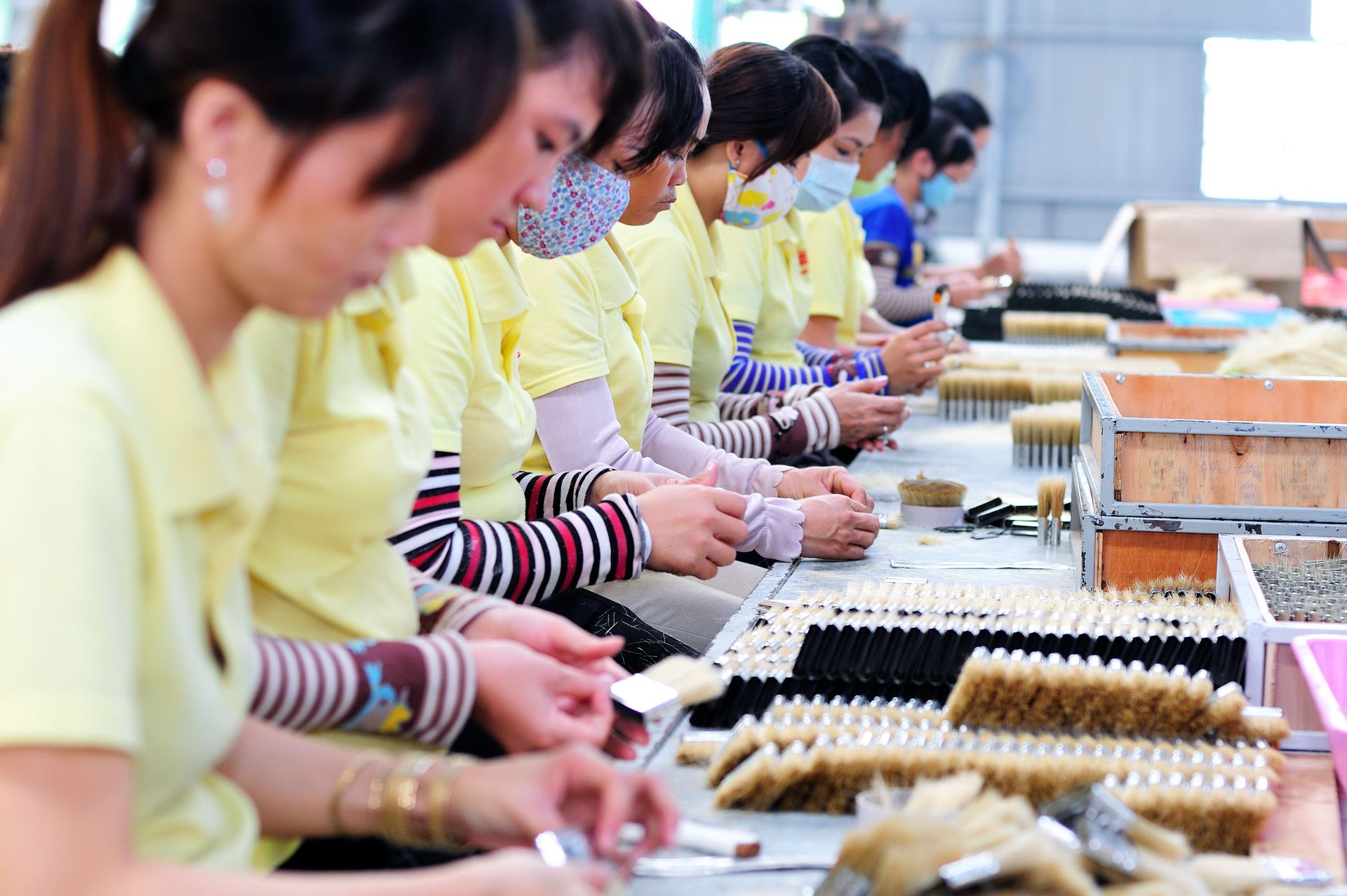
The most well-known type of private-label manufacturing is the one you see in major grocery stores. Take a look at an "own brand" cereal bar in any store, for example, and it's likely to be the same bar inside, just branded differently. Private label manufacturers don't just do edible products, though. Textiles, pet grooming products, cleaning products, and many more are identical from store to store, made by the same manufacturer and branded to appear different.
The Advantages of End-to-End Contract Manufacturing
Private label manufacturers produce identical goods for multiple brands. Contract manufacturing allows you to take a completed design to a manufacturing partner, who will produce it to your exact specifications. But what if you don't quite know what those specifications should be? Startups and brands begin with ideas, not necessarily with the expertise to bring them to life.
That's where contract manufacturing, sometimes known as End-to-End manufacturing, comes in. A contract manufacturer will take on as much of the product development lifecycle as required. Aspects of this may include:
- Design for manufacturing (DFM): Helping brands design products that can be manufactured efficiently while meeting durability, sustainability, and aesthetic requirements.
- Cost engineering and optimization: Ensuring materials and components are cost-effective and suitable for the product.
- Sourcing the right manufacturing facility: Contract manufacturing specialists with partners in multiple countries can often provide more cost-effective manufacturing and logistics solutions.
- Quality control: Testing, quality checks during prototyping, and continuous quality control throughout production.
- Scaling production: The right partner can match brands with facilities that produce goods at a scale that effectively meets demand.
Contract manufacturing solutions help companies breathe new life into their brands without relying on products that everyone else can sell.
Is Your Brand a Good Fit for End-to-End Contract Manufacturing?
If a private label product just doesn't fit the vision for your company, End-to-End manufacturing could be the solution. Examples of brands that have utilized contract manufacturers include:
- Shorebird: Wood and manufacturing expertise were just some aspects of bringing this lifestyle brand's flagship product, the Shorebird Chair, to life.
- Uproot Clean: Bringing an award-winning pet grooming appliance to market required a combination of design, innovation, and connections to a robust supply chain.
- Tumbler: The viral knife sharpener developer needed expert R&D support to rebuild the product concept for efficient production and scalability, aspects your contract manufacturing partner should be able to handle.
No matter how well you market it, a private label product will only be as exciting as what's under the label. If you want to develop products that showcase your brand's inspiration and innovation, consider working with a contract manufacturer instead.
FAQs: Private Label vs. Contract Manufacturing
Private label manufacturers produce specific products at scale that companies can then apply their own brand to. Contract manufacturers take a design from a company and produce it to exact specifications. Contract manufacturers help companies develop and manufacture their product ideas, supporting their brands by serving as partners throughout the entire product lifecycle.
Contract manufacturers often prefer multi-country manufacturing as it provides a robust supply chain that’s not easily disrupted. The challenges of global contract manufacturing can include cultural differences and language barriers, which is why a trusted partner is essential to circumvent these.
If your brand has a product idea you want to bring to market, but you’re not sure how, a contract manufacturer could be the solution. Your partner will discuss costs, supply chain considerations, and manufacturing feasibility. All you need is a clear product concept.