Key Takeaways
- The mechanism: one vendor for design refinement, another for tooling, another for sourcing creates handoffs that lengthen time-to-market and strip the brand of control.
- Cited data point: 67% of respondents in a Genimex brand survey called manufacturing execution the biggest gap in their current process.
- China+1 is framed as the reason vendor counts multiply, with Vietnam, India and other South and Southeast Asian partners added as real footprint rather than backup factories.
- Proof point: Polder, a housewares brand with more than three decades of China production, moved to a Southeast Asian base with Genimex without compromising quality or retail commitments.
How quickly can your manufacturing partners help you get products from the drawing board to market? For most brands, it depends on the complexity of those relationships. When you have one team to aid with design refinement, another to work on tooling, and yet another to source efficient manufacturing partners, bottlenecks inevitably occur.
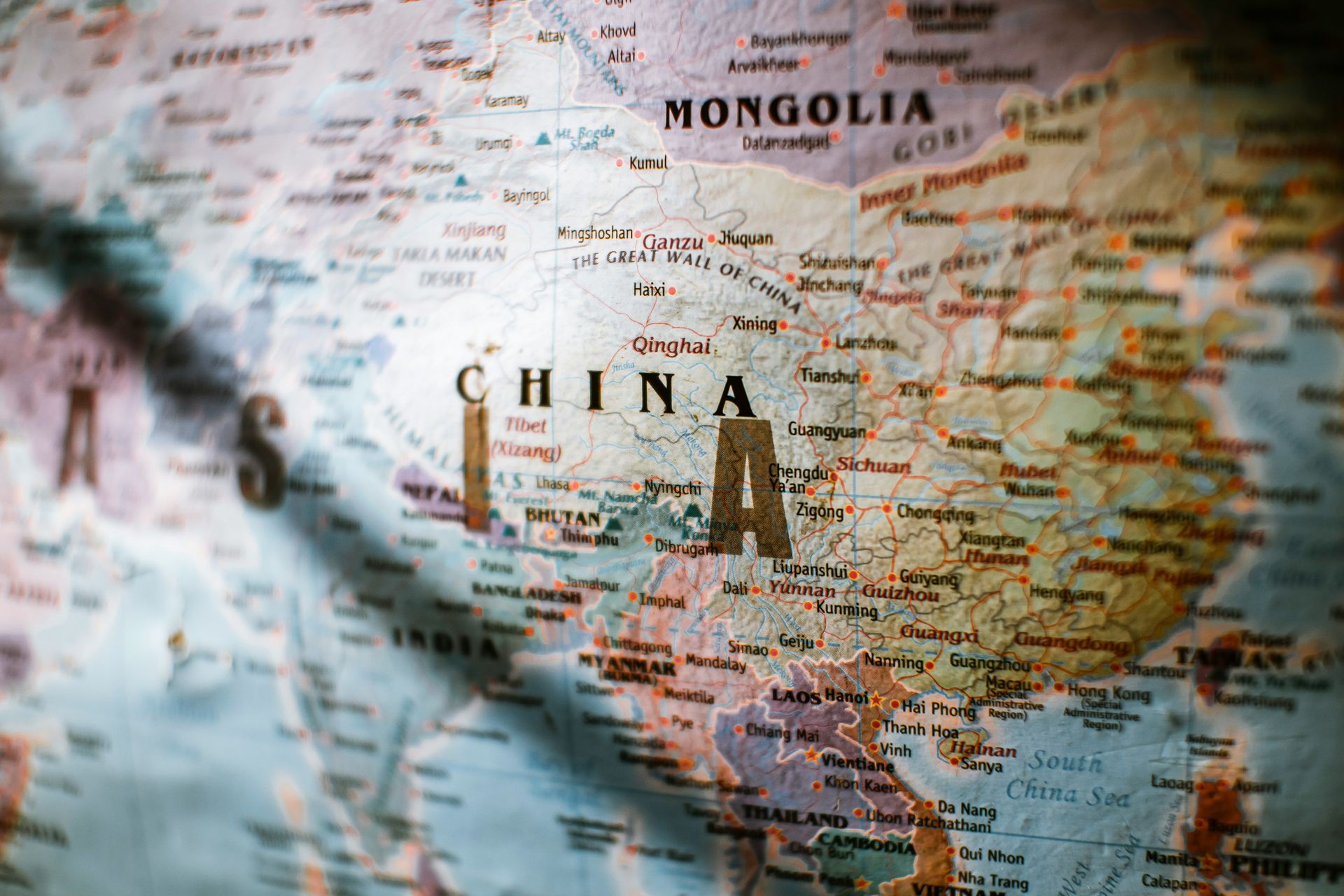
The main problems are fragmented manufacturing networks that become increasingly challenging to manage and a resistance to diversifying manufacturing. Some brands have realized that an over-reliance on China to answer all their manufacturing questions is potentially problematic. While China remains a manufacturing powerhouse, issues ranging from tariffs to supply chain disruptions have prompted many savvy brands to adopt a China+1 manufacturing strategy.
Commonly known as China+1, this strategy involves expanding manufacturing footprints to include partners in Southeast Asia or South Asia, reducing vulnerabilities associated with single-source reliance. But with too many vendors working on the same transformation project, these changes can be ponderous, decelerating pathways to market.
Take a look at how integrated design, engineering, and manufacturing from a single, trusted partner can address these challenges and at the experienced brands leading the way.
Pressure Points in Modern Manufacturing
Experts in international trade and manufacturing note that many brands are seeking solutions to rising manufacturing pressures. Euromonitor International recently reported that fast-moving consumer goods firms face mounting risks in China due to tariff volatility, but concerns about the complexity of shifting to new regions can stall their processes. Other challenges include navigating disparate vendors and finding meaningful support.
Geopolitical Tensions
Tariffs, conflict in Eastern Europe, and raw material and component shortages pose a genuine risk to global brands manufacturing at a single site. An experienced multiregional manufacturing partner should assess risk relative to costs, supply chain constraints, and other factors before making recommendations on production sites.
Smart brands are switching to contract manufacturers in Vietnam, India, and other South and Southeast Asian countries — not as backup factories, but as part of building a truly diverse manufacturing footprint.
Fragmented Vendor Relationships
Many brands have historically managed risks by relying on multiple partners, each with niche expertise. One firm may support design and engineering prototypes. Another may source materials. A contract manufacturer may take final designs, which only exist based on the recommendations and input from other vendors, and assume complete control of the manufacturing journey.
The more disparate partners are, the longer the time-to-market becomes, and the less control brands have over their manufacturing process.
Lack of External Support
Established brands often need to work fast to bring new products to market, but internal design and engineering teams may not be able to meet overarching company timelines. External partners with a Design for Manufacturing (DFM) approach can help refine designs for manufacturability and even create prototypes to accelerate the path to production.
How Scaled Consumer Brands Are Solving the China+1 Problem Without Starting Over
A contract manufacturer of hard goods and consumer products will usually take your design and produce it to your exact specifications, without offering much insight into the process. You have to source your own design and engineering specialists, and may have to create your own prototypes. If the contract manufacturer has manufacturing partners only in China, you're locked into production there, with little control over the timeline once the designs are handed over.
Finding the Right Manufacturing Partner
Understanding how to find a contract manufacturer for scaling brands starts with prioritizing your partnership requirements. Data from the Genimex survey of brands shows that around 67% of respondents consider manufacturing execution the biggest gap in their current processes. Firms are losing control or experiencing reduced time-to-market when handing off their designs to contract manufacturers. An end-to-end contract manufacturing partner mitigates these issues by working closely with firms throughout the manufacturing process and leveraging existing partnerships with manufacturers across multiple regions.
Brands Leading the Way to Manufacturing Diversification
Polder offers a great example of how a manufacturing partner for established brands can empower major companies to shift to a China+1 strategy without adding complexity to the manufacturing journey.
This housewares company has over three decades of experience providing functional home-cleaning, storage, and temperature-measurement solutions. They manufactured in China for most of this time, but recognized that transitioning to a China+1 strategy was the smart move for continuous, at-scale production. Polder chose Genimex as a partner to ensure a successful move to a new manufacturing base in Southeast Asia without compromising quality.
From Complexity to Transparency and a Faster Path to Market
The brands that move products to market successfully and quickly are the ones nurturing strategic relationships with manufacturing partners, rather than treating them as yet another addition to an increasingly complex network of vendors. Genimex has partnered with consumer brands for over 50 years, helping brands streamline their manufacturing processes across China, India, and Southeast Asia. If you're ready to remove friction from your production pipeline, we'd welcome the conversation.
FAQs: Reducing Complexity in Contract Manufacturing
An end-to-end contract manufacturer, or turnkey contract manufacturer, is a partner that supports your brand from design through production. Rather than working with various partners for material sourcing, site location, and quality control, an end-to-end manufacturing partner handles all these aspects of bringing your next product to market.
When you decide to outsource product development and manufacturing, you can reduce complexity by minimizing the number of vendors you onboard. An end-to-end turnkey contract manufacturer can help you refine designs while sourcing the most suitable manufacturing partners. Look for expertise, experience, and a track record of helping brands diversify their supply chain across multiple regions.
Genimex works with many well-established and scaling brands, helping them reduce China manufacturing exposure and introduce new sources of reliable, quality, and efficient manufacturing expertise. Design for Manufacturing experts help brands hone designs for manufacturability while managing costs and timelines, getting products to market faster without compromising on quality.