Go from concept to market-ready product with an end-to-end manufacturer
Plastic injection molding is one area of expertise you can leverage when you work with Genimex. We take the Design for Manufacturing (DFM) approach, reviewing and optimizing your designs before tooling begins to reduce costs, accelerate production, and enable scaling. Injection molding supports a wide range of thermoplastics and mixed materials across consumer product categories. Genimex completes manufacturing with quality control in injection molding, and comprehensive injection molding quality assurance
What is plastic injection molding?
Plastic injection molding is a manufacturing process in which molten plastic is injected under high pressure into a precision-engineered mold cavity. Once cooled and solidified, the mold opens and ejects the finished part. The process is repeatable, making it ideal for producing large volumes. Injection molding works across a broad range of thermoplastics and thermosetting plastics.
Plastic injection-molded capabilities and processes
Genimex delivers precision injection molding across a wide range of materials and product types. Our capabilities include:
ABS injection molding
Acrylonitrile butadiene styrene (ABS) is valued for its excellent impact resistance, strength, and aesthetic qualities. It is ideal for consumer electronics, automotive parts, and household appliances that require a durable, visually appealing finish.
PP glass fiber molding
Polypropylene (PP) with glass fiber reinforcement offers enhanced stiffness, strength, and dimensional stability. This material is ideal for structural components and applications that demand higher performance and resistance to heat and chemicals.
Blow injection molding
Combines injection and blow molding to produce hollow, seamless parts with precise necks and a polished finish. It is ideal for pharmaceutical bottles, cosmetic packaging, and small beverage containers requiring tight tolerances and high clarity.
Rotational molding
Rotational molding uses a heated, biaxially rotating mold to form large, hollow, stress-free parts with uniform wall thickness. It is ideal for storage tanks, kayaks, playground equipment, and other products with complex geometries that require toughness and durability.
Silicone injection molding
Silicone injection molding uses liquid silicone rubber (LSR) and a catalyst for high-precision, flash-free parts with fast cycle times and excellent repeatability. This process is ideal for medical devices, automotive seals, infant products, and electronic housings that require precision and flexibility.
Plastics that we offer manufacturing support for include, but aren’t limited to:
- Polycarbonate (PC): For transparency, impact resistance, and high heat deflection
- Nylon (PA): For strength, wear resistance, and chemical resistance
- HDPE (High-Density Polyethylene): For flexibility, chemical resistance, and cost-effectiveness
- TPE (Thermoplastic Elastomer): For soft touch flexibility and sealing properties
- Acrylic (PMMA): For optical clarity and weather resistance
We also work with numerous metals, woods, and textiles for mixed-material manufacturing, ensuring the best fit for functionality and performance.
Ensuring quality throughout plastic injection molding
Quality is built into every stage of the Genimex process, from design review and prototype testing through to factory audits and continuous on-site checks at scale. Every injection-molded component we produce is held to the same exacting standards, regardless of volume. Explore Genimex's additional comprehensive capabilities for your next product launch.
Built with Genimex
 Plastic
 Metal
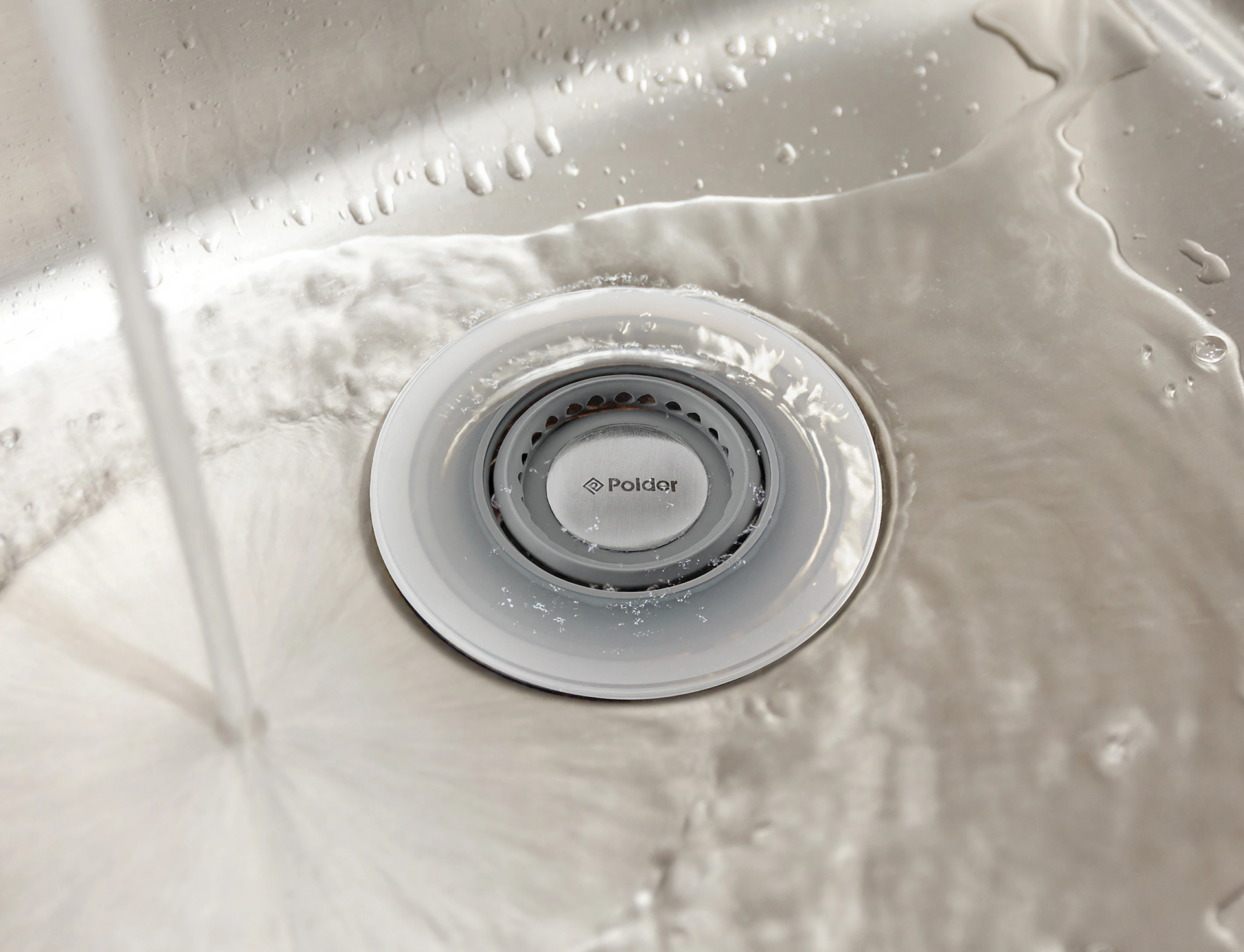
MetalPolder
Polder’s Move to Southeast Asia Manufacturing
 Plastic
Hally Hair
Creating Market-Ready Products for Hally Hair

 Silicone
Loulou Lollipop
Inspired by the Sea, Made for Everyday Moments
 Metal
MetalSupply
The Single Edge Max Has Arrived
Your next product starts here
Genimex brings together plastic injection molding and DFM expertise under one roof, from early prototyping through to full-scale production.
FAQs
Explore common questions regarding our injection molding services.
The cost of bespoke plastic injection molds varies greatly depending on size, material, and required durability and lifespan. We’ll provide detailed quotes, including any plastic injection costs, during your design review.
Acceptable variation tolerances are usually specified during the design phase; the more critical the component, the more precisely it needs to be engineered. Our high-precision molding capabilities support incredibly tight tolerances, typically +/- 0.005 inches.
Prototype tooling is typically used solely for design validation. Production tooling is used to produce durable parts and components at high volumes to consistent quality standards.