A Diversified Supply Chain Leads to Reduced Risk, Cost, and Spurs Innovation
If there is any upside to the current disruption in the U.S.-China trade relationship, it is that companies are shifting some manufacturing from mainland China to Southeast Asia. The shift allows companies to both skirt U.S.-imposed tariffs and, very importantly, diversify their supply chain. If a company's main goal is profitability, its second goal is likely to be reducing risk. Using multiple suppliers makes buyers less reliant on a single manufacturer—a practice every company should adopt. Additionally, there may be potential for cost savings. Shifting some manufacturing to Southeast Asia initiates an opportunity for competitive bidding. Competition for the work, combined with lower production costs, opens the door for companies to reduce overall manufacturing costs. Using multiple suppliers has also been known to lead to innovation. By partnering with new suppliers, you become aware of new information that is associated with that operation. Recommendations may come from lessons learned within that manufacturing facility. They may recommend an alternative material or propose a design change to reduce or increase the cost of manufacturing processes. The bottom line is that tapping into the knowledge base of several suppliers, instead of relying on one, can result in exposure to new ideas and innovation
Southeast Asia Reaps Profits from the Supply Chain Shuffle
Southeast Asian countries are focusing on their strengths and carving out individual, niche markets. Each country in the region is emerging with a different specialty. For example, labor-intensive sewing factories are shifting production to lower-wage destinations, such as Vietnam and the Philippines. Vietnam, Indonesia, and the Philippines are also increasing their production of small electronics. Investment is also coming from Taiwan, as major electronics manufacturers, such as Delta Electronics, a power component supplier, expand in Thailand. Bain & Co, a global consulting firm, also assesses that “small and medium enterprises in the region will adopt more technologies into their daily operations that could potentially unlock a $1 trillion opportunity.”
China’s Investment in Southeast Asia
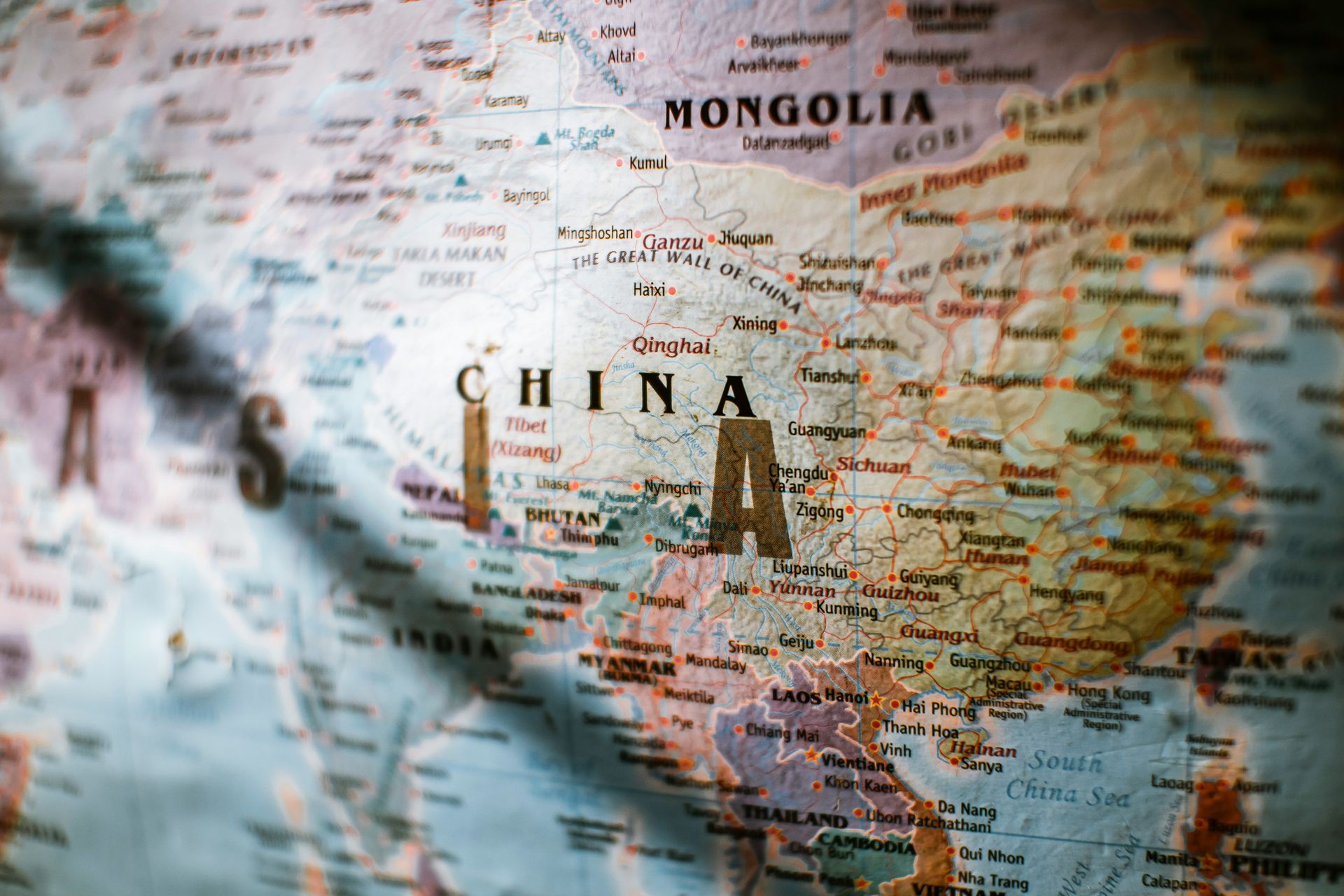
In light of new and existing tariffs and the uncertainty of future trade with the U.S., factory owners in Guangdong province are accelerating plans to diversify production by opening new facilities in Southeast Asia. China’s government has long recognized Southeast Asia as a dynamic trading partner, initiating, long before the trade war, the Belt and Road Initiative, to establish new road and rail routes between Southeast Asia and China. In 2016, China provided $9.2 billion of investment in the region; recent reports indicate that investment is up “44% year-on-year,” according to a CKGSB Knowledge Report.
Genimex Remains Ahead of the Curve
Genimex, with close to a half-century of manufacturing capabilities in China and an ability to evolve as economic conditions shift, has expanded its operations into Southeast Asia. What’s important is that Genimex will always evaluate the required expertise, cost considerations, and supply chain demand when partnering your project with a manufacturer. It is still unclear how the current shift will affect the long-term economic prospects of a highly integrated Asia. There is no doubt, however, that China will continue as the great manufacturing epicenter. Output from China continues to far exceed the region. Additionally, access to an educated workforce, modern infrastructure, foreign investment, and the ability to produce increasingly sophisticated products are reasons why China will remain a leader in the global supply chain.