The conversation around forever chemicals, more correctly known as PFAS, is constantly changing. Manufacturers must be particularly careful to stay abreast of shifting PFAS guidelines. In addition to incurring fines and other legal ramifications, building a sustainable business requires responsible environmental practices. For brands and startups using turnkey manufacturing solutions, the situation can be even more complex.
Understanding “Forever Chemicals”
Forever chemicals are substances used in industry that last virtually forever. The EPA is concerned with per- and polyfluoroalkyl substances (PFAS). PFAS have been used in fire-fighting materials, water-resistant additives, and numerous industrial processes since 1938.
PFAS can be found in products related to:
- Automobiles
- Aerospace engineering
- Wi-Fi and cellular data networks
- Consumer goods
- Non-stick cookware (Teflon was one of the first examples of PFAS use in manufacturing)
- Food packaging
- Cosmetics and clothing
And many more categories. The complexity of handling PFAS comes from the fact that there are over 7 million different substances in this category. Manufacturers can’t easily stop using products that contain PFAS because they’re so prolific throughout the production process.
In 2024, a new drinking water standard was announced that would potentially protect millions from PFAS pollution. This included maximum contaminant levels (MCL) designed to reduce the risk of harm from PFAS. Recent changes to policy have provided water companies and other industrial bodies with more time to comply with these MCL caps, and in some cases, the MCL goals have been changed or overturned.
Health Risks Associated With PFAS
These MCL targets exist because of ongoing concerns about the many health risks associated with PFAS. Examples of PFAS specifically linked to health concerns include perfluorooctanoic acid (PFOA) and perfluorooctane sulfonic acid (PFOS). Both these substances, and more, are linked to:
- Decreased fertility
- High blood pressure in pregnant women
- Developmental problems in children
- Increased risk of cancer
- Immune system deficiency
PFAS are now present in the food chain, in our water supply, and in the soil we grow crops in. They’re essentially everywhere, which is why there are so many initiatives to reduce their use in industrial processes.
What Shifting EPA Rules Mean for Manufacturers
In the U.S., the burden of limiting PFAS use and reporting on PFAS production varies from state to state. Maine, Minnesota, and California have particularly stringent rules in place. In Maine, for example, some products with intentionally added PFAS can no longer be sold.
For companies investing in overseas manufacturing, the situation becomes more complex. Rather than complying with state or federal regulations, product manufacturers must research and comply with local laws governing PFAS.
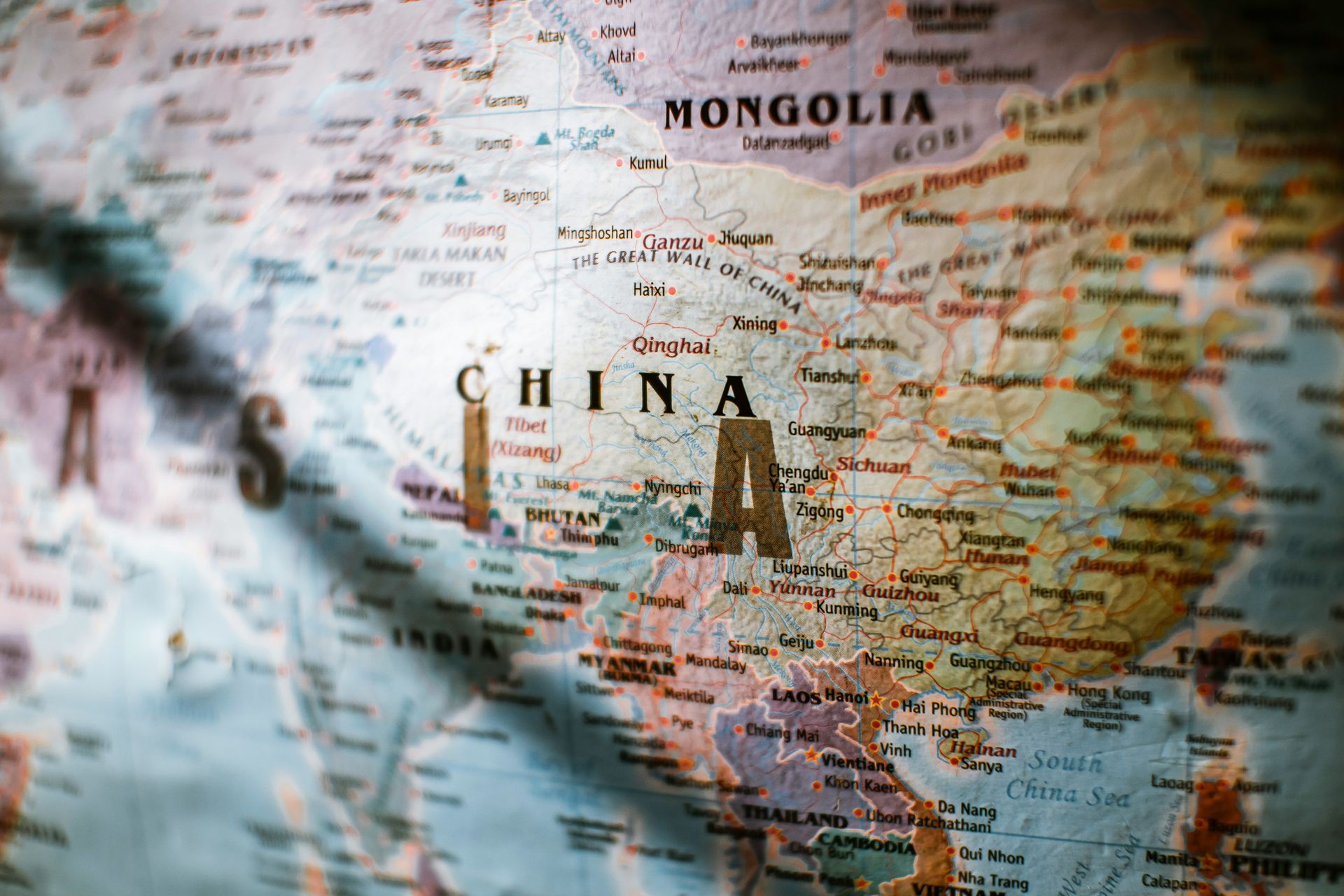
China recently implemented PFOA and PFOS discharge standards for chemical parks, indicating a wider determination to more heavily regulate the use of these potentially harmful chemicals. Vietnam has also implemented new laws regulating the use of numerous chemicals. Brands and manufacturers must tread carefully to stay on the right side of these shifting regulations. As well as ensuring compliance and lawful operations, demonstrating a commitment to environmentally conscious practices resonates positively with consumers.
Invest in turnkey manufacturing solutions startups and brands trust by connecting with Genimex. Our transparency throughout the production process helps you assess and monitor the environmental impact of your products and offer clarity to your consumers. Work with an expert at the forefront of safe and sustainable manufacturing practices.
Considering an end-to-end manufacturing partner for your next product?
FAQs: Forever Chemicals
PFAS, meaning per- and polyfluoroalkyl substances, are substances that take many years to break down in the environment, earning them the name “forever chemicals.” The PFAS definition encompasses millions of substances, making it challenging for manufacturers across industries to effectively reduce their use of these chemicals.
Turnkey end-to-end contract manufacturing partners have the advantage of understanding the laws and regulations in specific geographical regions. If you produce goods in Vietnam, for example, your contract manufacturing partner will ensure that production meets local standards and promotes responsible practices. Genimex works with suppliers and facilities at the forefront of sustainable manufacturing, benefiting both you and your consumers.