In recent years, numerous companies seeking the benefits of outsourcing to Asia, while remaining in proximity to U.S. markets, have adopted a strategy of “near-shoring.” Analysts have reported a 150% increase in orders from Latin America. Within that sphere, Mexico is emerging as a leading destination for companies seeking to manage labor costs while staying close to the U.S. market.
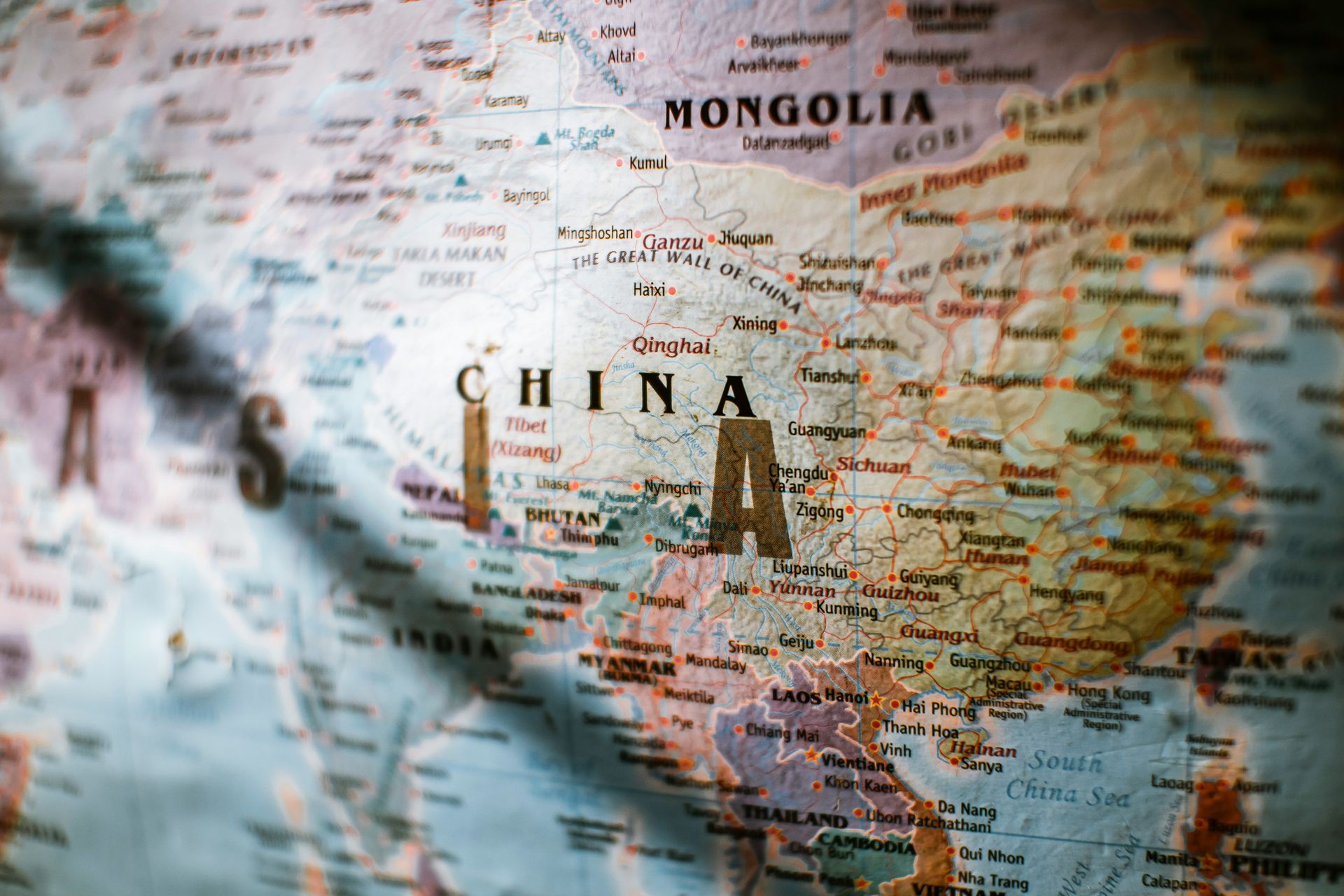
China vs. Mexico Shipping Costs
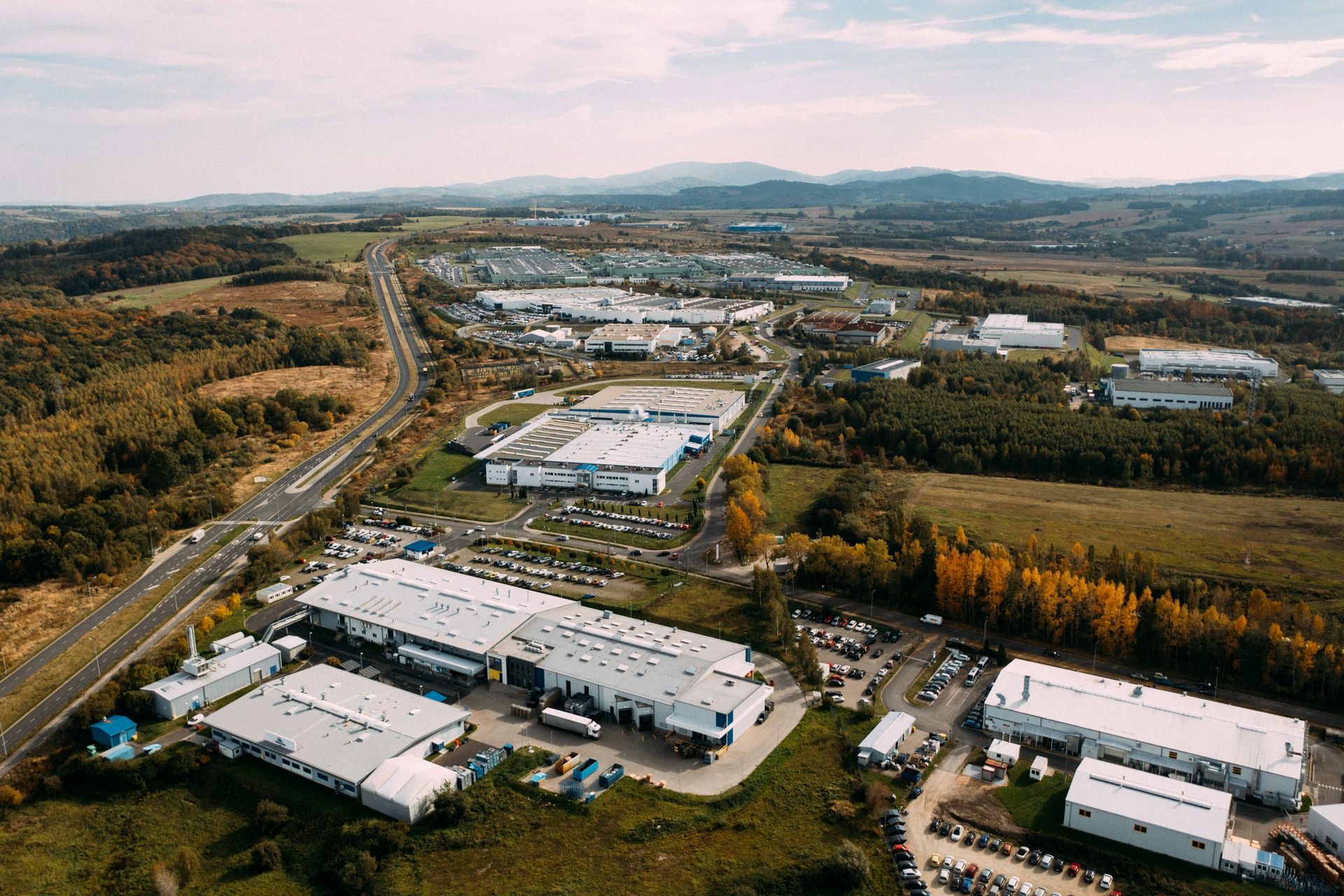
Take Siemens, for example. The Germany-based company recently announced plans to build a $35 million electrical components plant in Nuevo León, Mexico, just outside Monterrey. That’s only about 140 miles from the U.S.-Mexico border. Outsourcing to Mexico is nothing new for Siemens, which has 10 plants there. Mexico provides Siemens with strategic proximity to important clients, such as Raytheon and Navistar, which have operations in Southern California, Arizona, and Texas.
Another company exploring south of the border is John Deere. Famous for producing “the plow that broke the Plains” in the 19th century, John Deere today has more than 100 factories in 30 countries. The farm and construction equipment manufacturer is planning to relocate its tractor cab assembly from Waterloo, Iowa, to Ramos Arizpe, Mexico, by 2024. The company says its Iowa workforce, which earns between $22 and $33 per hour, will focus on new products.
Labor and all other production costs are lower in Mexico than in the United States and China. China’s economic success over the past decade has led to higher wages. Thus, average minimum wages in China are now higher than in Mexico. As for utility rates, such as gas and industrial lease rates, reliable statistics are hard to come by. Analysts generally consider those costs to be substantially lower in Mexico than in China. As for readily available energy, China gave global executives a few nervous moments last September with a wave of blackouts caused by its overstretched energy grid.
While many manufacturers are moving their supply chains from China to Mexico to reduce trans-Pacific shipping costs and hedge against future disruptions, the trend is not just the result of free-market forces.
President Biden has not been as vocal as his predecessor about U.S.-China trade policy. Still, his administration has sought to encourage U.S. manufacturers and component suppliers to move production from China to Mexico. Over the past several years, the U.S. government has taken a variety of specific trade actions that have made Mexico a preferred destination.
These include:
- Implementation of the United States-Mexico-Canada Agreement. The USMCA contains many more favorable terms for U.S. companies doing business with Mexico than NAFTA did.
- Special import duties are placed on many Chinese products. By contrast, Mexican products face no tariffs.
- Export restrictions were placed on additional Chinese entities for U.S. national security reasons. Mexico is not perceived as a geopolitical rival.
- A ban on many products originating from the Xinjiang region. This step was taken in response to China’s alleged mistreatment of its Uighur population.
- The extraterritorial application of U.S. export restrictions has impeded semiconductor manufacturers outside China from supplying many Chinese parties. The semiconductor shortage has had a marked effect on automobile manufacturing. Here again, Mexico gains an advantage since these restrictions do not apply, and the automobile sector plays a significant role in the Mexican economy.
These factors lead forecasters to predict exponential growth in Mexico, especially in its automotive and apparel sectors.
Already, Mexico is seeing an increase in foreign direct investment to build its manufacturing capabilities. According to the Mexican Secretariat of Economy, the country received $32.9 billion in foreign direct investment in 2019, which declined to $29.1 billion in 2020 during the pandemic but remained at a healthy level. Since the pandemic's waning, Mexico has rebounded, with robust FDI growth, reporting $18.43 billion in the first two quarters of 2021.
Mexico offers many advantages for companies seeking a near-shoring option. At Genimex, we continue to expand our manufacturing footprint by assessing each project and selecting the best geographic location for manufacturing.