Key Takeaways
- Headline comparison: manufacturing workers average roughly $15.7K a year in China against $4.5K in India, and Vietnamese labor can run up to 55% cheaper than China.
- Five named drivers of rising Chinese wages: rising living standards (10-15% annual increases over the past decade), a shrinking working-age population, minimum wages up 200-300% since 2008, inland urbanization, and social insurance adding 30-40% to base wages.
- The counterweight is stated plainly: China keeps the lead on advanced electronics, mature supply-chain infrastructure, and access to raw materials and components.
- Early-2026 official Chinese figures: industrial profits up 15.2% year on year, the manufacturing sector up 18.9%, and equipment manufacturing revenue up 8.9%.
Originally published March 2026 — Updated September 2026
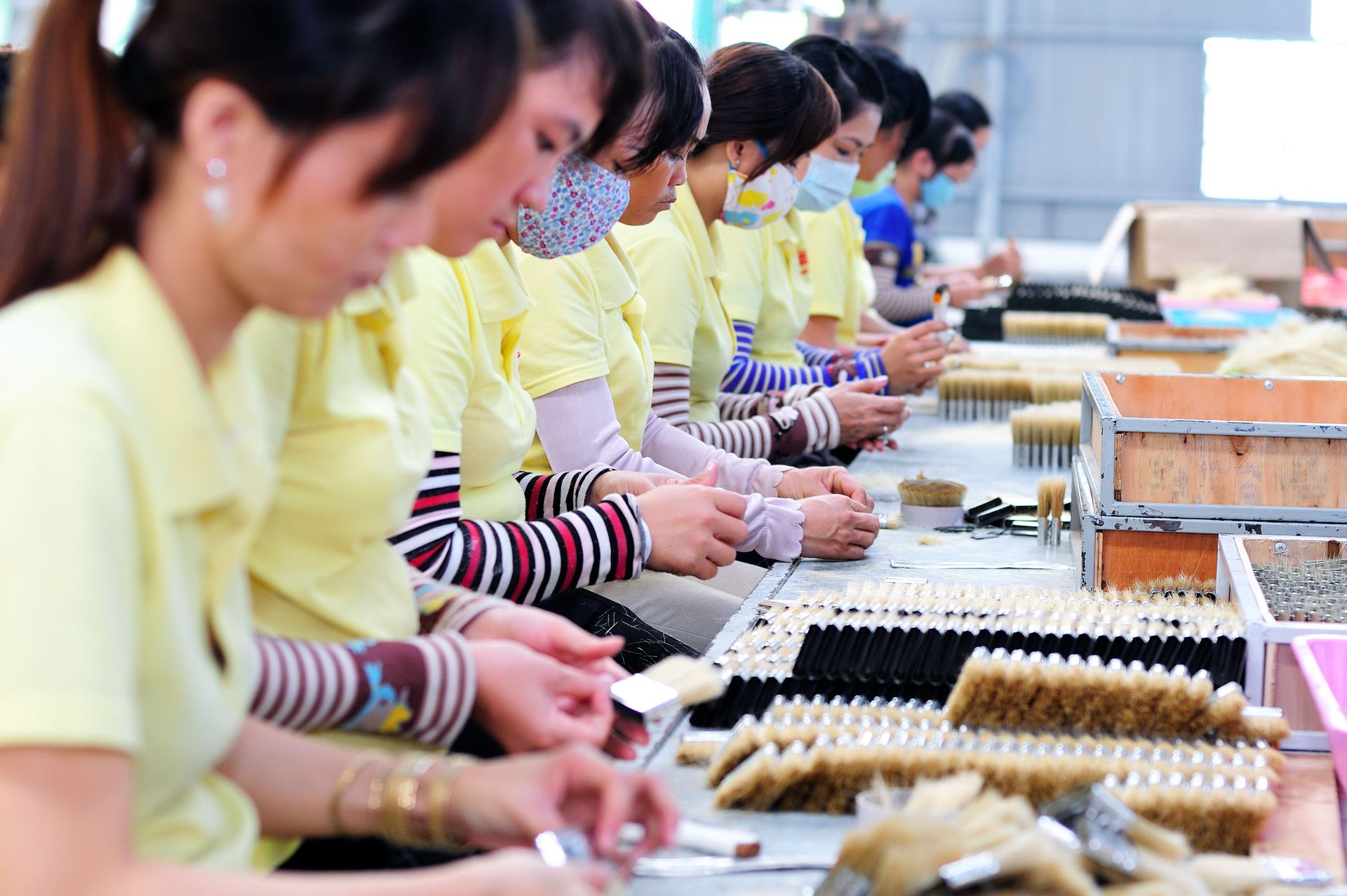
China has long been the global center of manufacturing. But as the Chinese economy thrives, wages are rising in line with higher living standards.
China is certainly still a cost-effective destination for brands seeking high-quality, cost-effective manufacturing. But with cheaper options available, brands are now asking: Should I consider diversifying my manufacturing away from just China?
China Cost of Labor: 2026 Figures
Labor costs in China for manufacturing are rising. Factors driving this include intense economic growth, supply chain issues, and geopolitical tensions. Anti-involution policies in China work to prevent over-competition and other factors that could destabilize the economy and drive prices down.
Key figures announced by the Chinese government in early 2026 indicate strong industrial growth:
- Industrial profits rose by 15.2%, year on year
- The manufacturing sector experienced overall growth of 18.9%
- Equipment manufacturing revenues increased by 8.9%
Areas seeing significant growth included automotive devices, aerial vehicles, and intelligent consumer device manufacturing.
Although official figures show positive growth for China, some independent studies suggest that additional destabilizing factors may slow it. The same reports also state that, despite these factors, manufacturing is increasing across Asia and beyond China. Experts note that many firms are expanding their manufacturing operations to countries such as Vietnam, Taiwan, and India.
Average manufacturing labor cost India vs China 2026
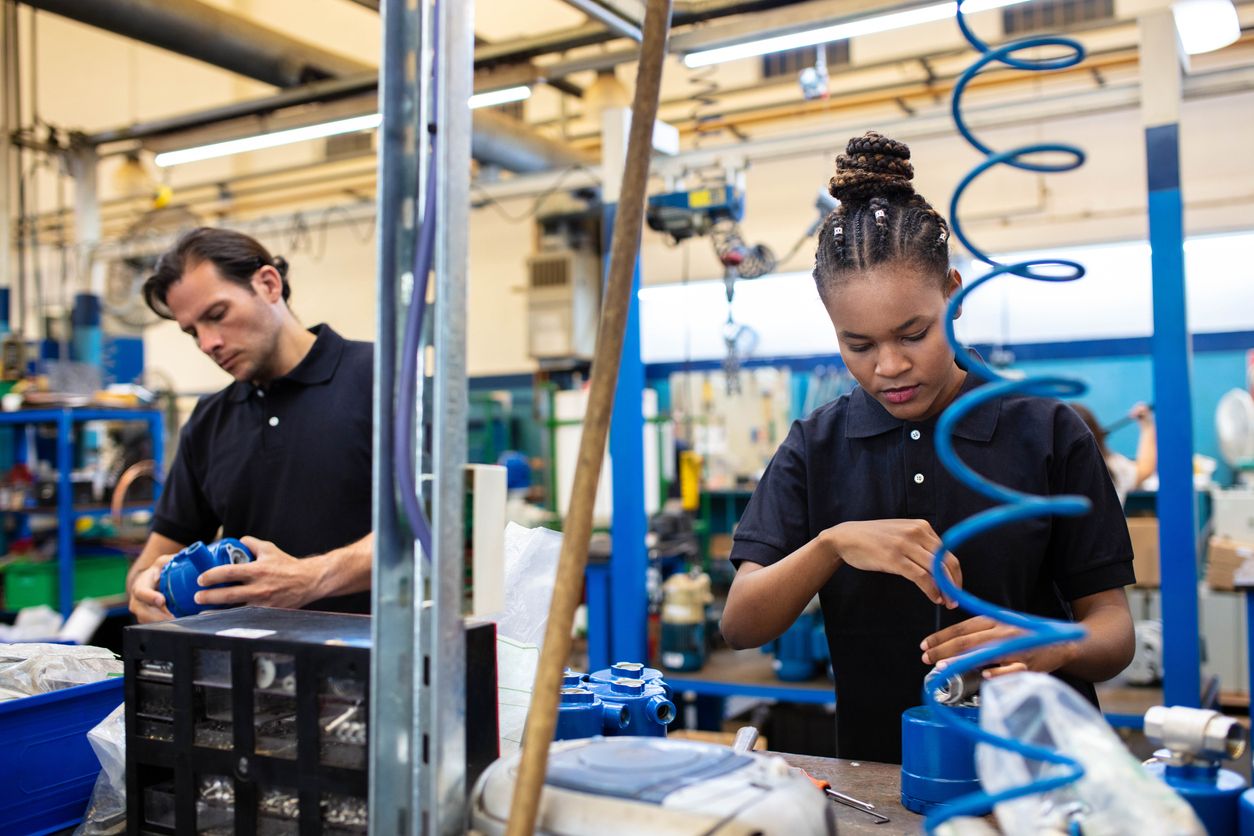
On average, manufacturing workers in China earn approximately $15.7K per annum. In India, this average is $4.5K. The stark difference is, in part, due to China having more skilled workers adept at assembling electronic devices. It does mean that, for brands that don’t require this level of expertise, India could represent a more cost-effective option.
However, India isn’t the only alternative to China. Manufacturing in Vietnam is becoming a popular choice, particularly if electronics expertise is required. Major brands such as Samsung have invested in Vietnam, perhaps because labor can be up to 55% cheaper here than in China. Other factors impacting costs include lower rent and power costs.
Why Are Labour Costs in China Starting to Rise? Key Factors Driving Increases
Understanding why labour costs in China are starting to rise requires examining economic, demographic, and policy factors transforming China's manufacturing landscape.
Primary Drivers of Rising Labour Costs in China:
- Economic Development and Rising Living Standards
As China's economy developed, worker expectations for wages, benefits, and working conditions increased. The cost of labour in China has risen approximately 10-15% annually over the past decade as the country transitioned from a low-cost manufacturing hub to a middle-income economy. - Demographic Shifts and Labor Shortages
China's one-child policy (1980-2015) created demographic constraints, reducing the working-age population. Fewer young workers entering manufacturing creates labour competition, driving up the cost of labour in China, particularly for skilled positions. - Government Minimum Wage Increases
Provincial and city governments regularly increase minimum wage standards. Since 2008, minimum wages have increased 200-300% in major manufacturing regions, directly impacting why labour costs in China are starting to rise even for entry-level positions. - Urbanization and Internal Migration Changes
As inland Chinese cities develop, workers no longer need to migrate to coastal manufacturing zones. This reduces the available labour pool in traditional manufacturing hubs, increasing the cost of labour in China in provinces like Guangdong and Zhejiang. - Social Insurance and Benefits Requirements
Mandatory employer contributions for pensions, healthcare, housing funds, and unemployment insurance add 30-40% to base wages, a factor brands must consider when calculating the true cost of labour in China.
Reasons to Continue Manufacturing in China
If it’s so much cheaper to manufacture elsewhere, why stay in China?
· China remains a leader in advanced electronics manufacturing and other highly skilled fields.
· The infrastructure and supply chain in China are mature and built around the successful production and export of many types of goods.
· China has access to a wealth of raw materials and components not easily available in other countries.
In China, skilled workers in state-of-the-art facilities are already experienced at manufacturing and assembling goods of the highest quality. In some ways, other countries are still catching up. But it’s clear that multi-country manufacturing has its benefits.
Reasons Hardware Brands Are Considering Multi-Country Manufacturing
Diversifying manufacturing beyond China can make supply chains more robust. If a geopolitical issue affects China, there’s an opportunity to scale production at a manufacturing facility in Vietnam or India.
By shifting some manufacturing to other countries, costs could drop. India, for example, is closer to some markets than China. For some brands, this could cut logistics expenses and reduce labor costs.
Investment by major brands into countries in the Association of Southeast Asian Nations (ASEAN) may also encourage other firms to move their operations to these areas. Recent ASEAN Summits have focused on sweeping digital transformation across the region, leveraging private investment in digital infrastructure to develop a range of capabilities, including 5G networks, cloud computing, cybersecurity, artificial intelligence, and smart manufacturing. Before long, ASEAN countries could be global manufacturing leaders.
Which Country is Best for Manufacturing Your Products?
If your brand produces consumer goods, choosing where to outsource manufacturing can be complex. Labor costs are only one of many factors. Seeing the big picture and appreciating all its parts is simpler when you have guidance from experienced professionals.
Genimex works with brands just like yours to find the right manufacturing solutions in China, India, or Southeast Asia, considering factors ranging from raw materials to local expertise. Connect with Genimex to share your product concept, and we’ll help you find the right manufacturing hub to bring it to life.
FAQs: China Labor Rises and Hardware Companies Consider Options
Labor costs vary by region and product type, but manufacturing workers in India earn significantly less on average than those in China, making it an attractive option for brands producing goods that don't require China's specialized expertise. Vietnam is also highly competitive, particularly for electronics assembly. The full cost picture, including logistics, raw materials, and quality oversight, is what matters most, and an experienced manufacturing partner can help you model that accurately.
Many firms are now considering manufacturing in countries beyond China. Bolstering the supply chain and reducing labor costs are key factors. Major hardware brands, such as Samsung, are investing in countries like Vietnam, driving the growth of manufacturing infrastructure here at an exponential rate.
Genimex works with consumer product brands to evaluate manufacturing options across China, India, and Southeast Asia, factoring in labor costs, material sourcing, logistics, and quality requirements. Whether you're looking to shift production entirely or build a multi-country strategy, we help you find the right fit for your product and your budget.