In today's dynamic market, consumers expect rapid delivery, consistent quality, and ethical production practices. Relying solely on a single-region manufacturing model can expose businesses to significant risks, including supply chain disruptions and diminished customer trust. Embracing multiregional manufacturing is essential to effectively meet modern consumer demands.
What Is Multiregional Manufacturing?
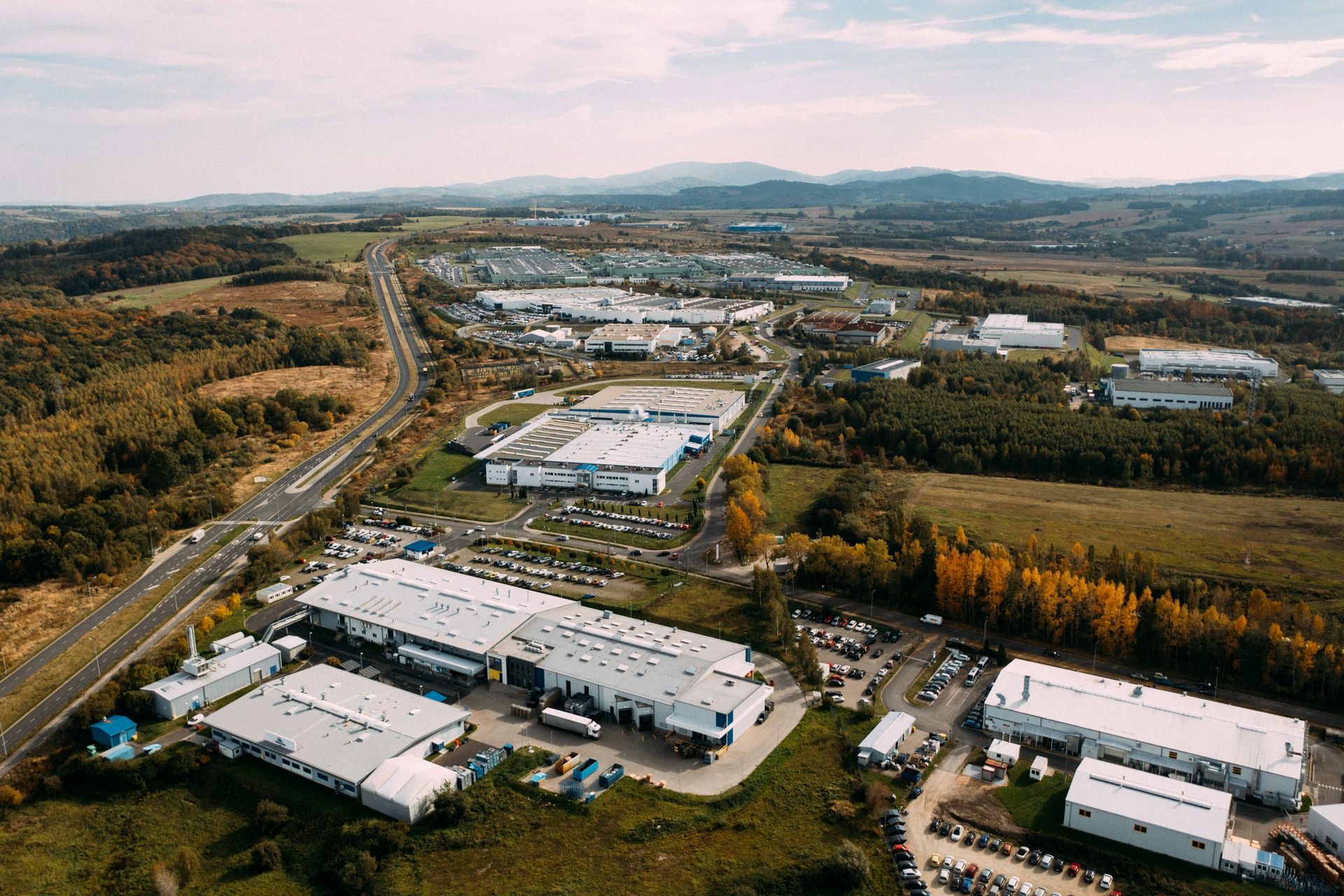
Multiregional manufacturing involves establishing production facilities across multiple geographic regions. This strategy enables companies to produce components where technological capabilities are most advanced, assemble products where labor is cost-effective, and adjust capacity in response to shifting market demands.
Key Benefits for Modern Consumers
Adopting a multiregional manufacturing approach offers several advantages:
- Enhanced Supply Chain Resilience: Diversifying production locations reduces the impact of regional disruptions, ensuring a steady supply of products to consumers.
- Improved Product Availability: Proximity to regional markets enables faster delivery, meeting consumer expectations for prompt service.
- Consistent Quality Standards: Implementing uniform quality control measures across all facilities ensures that consumers receive products that meet their expectations, regardless of origin.
- Ethical and Sustainable Practices: Operating in multiple regions enables companies to adhere to local environmental and labor standards, appealing to consumers who prioritize corporate responsibility.
Challenges and Mitigation Strategies
While multiregional manufacturing offers numerous benefits, it also presents challenges:
- Complex Supply Chain Management: Coordinating operations across various regions can be intricate. Mitigation Strategy: Implement advanced supply chain management systems to monitor and streamline processes.
- Regulatory Compliance: Navigating diverse legal and regulatory environments is demanding. Mitigation Strategy: Employ local experts to ensure compliance with regional laws and standards.
- Cost Considerations: Establishing and maintaining multiple facilities can be costly. Mitigation Strategy: Conduct thorough cost-benefit analyses to identify the most strategic locations for operations.
Genimex Case Studies
Genimex has successfully assisted clients in implementing multiregional manufacturing strategies. For instance, a client facing increased tariffs on products manufactured in China sought to diversify their production. Genimex developed a "China + One" strategy, establishing a secondary manufacturing hub in Vietnam. This approach leveraged Vietnam's proximity to raw materials and a maturing supplier base, ensuring consistent product quality and resilient supply chains.
Best Practices for Implementation
To effectively implement a multiregional manufacturing strategy, consider the following best practices:
- Comprehensive Market Analysis: Evaluate potential regions based on market demand, infrastructure, and political stability.
- Standardized Quality Control: Develop uniform quality assurance protocols to maintain product consistency across all facilities.
- Robust Communication Channels: Establish clear lines of communication between regional facilities and headquarters to ensure cohesive operations.
- Flexible Supply Chain Design: Create adaptable supply chain structures that can respond swiftly to regional disruptions or demand fluctuations.
Measuring Success
To assess the effectiveness of a multiregional manufacturing strategy, monitor key performance indicators (KPIs) such as:
- Supply Chain Efficiency: Track metrics like lead times, inventory turnover rates, and fulfillment accuracy.
- Cost Management: Analyze production costs, transportation expenses, and overall operational expenditures.
- Customer Satisfaction: Gather feedback on product quality, delivery times, and overall consumer experience.
In today's dynamic market, consumers expect rapid delivery, consistent quality, and ethical production practices. Relying solely on a single-region manufacturing model can expose businesses to significant risks, including supply chain disruptions and diminished customer trust. Embracing multiregional manufacturing is essential to effectively meet modern consumer demands.
FAQs: Multiregional Manufacturing
What is the difference between multiregional and global manufacturing?
Multiregional manufacturing strategically places production facilities in specific regions based on capabilities, costs, and market proximity, whereas global manufacturing typically involves a more dispersed network with less strategic regional focus. Multiregional approaches optimize each location for specific advantages such as technology leadership, cost efficiency, or market access.
How does multiregional manufacturing improve delivery times?
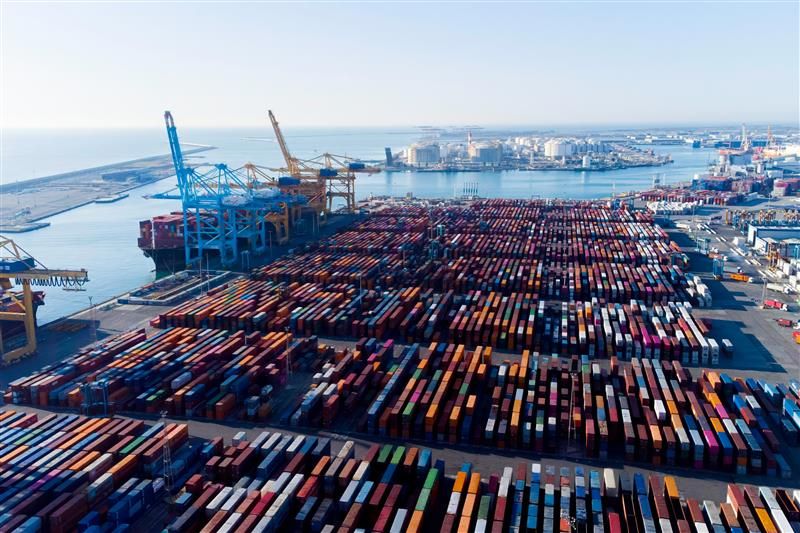
By positioning production facilities closer to end markets, multiregional manufacturing reduces shipping distances and transit times. This proximity enables faster response to regional demand changes and can cut delivery times by 40-60% compared to single-region manufacturing models.
Can small and mid-sized brands implement multiregional manufacturing?
Yes. Working with an experienced contract manufacturer eliminates the need for capital investment in owned facilities. Partners like Genimex provide access to established regional networks, allowing brands of any size to leverage multiregional advantages without the overhead of building infrastructure from scratch.
Conclusion
Embracing multiregional manufacturing is a strategic imperative for businesses aiming to meet modern consumer demands. By diversifying production across various regions, companies can enhance supply chain resilience, ensure consistent product quality, and align with ethical production standards.